
 how-to
Holistic Therapy for Combat PTSD: A Veteran's Guide
Table of Contents
- Understanding Combat PTSD and Why Holistic Therapy Matters
- Evidence-Based PTSD Treatment: The Foundation of Recovery
- Complementary and Integrative Health for PTSD: What the Research Shows
- Mindfulness for PTSD: Building Nervous System Resilience
- Holistic Treatment for Veterans with PTSD: Combat-Specific Adaptations
- Building Your Personalized Holistic Recovery Plan
- Evaluating Providers and Avoiding Unsupported Claims
- Moving Forward: Sustainable Recovery Through Integration
- Frequently Asked Questions
Last Updated: October 18, 2026
Understanding Combat PTSD and Why Holistic Therapy Matters
Combat PTSD affects thousands of veterans, creating a cascade of symptoms that standard talk therapy alone may not fully address.
The key insight: trauma doesn't just change how you think. It changes how your body responds to the world. Your nervous system gets stuck in a state of high alert.
At HEALING HUB, we understand this integration. Combat veterans often find that traditional therapy hits a ceiling.
This guide walks you through evidence-based options, combat-specific adaptations, and how to build a recovery plan that actually sticks.
Evidence-Based PTSD Treatment: The Foundation of Recovery
Before adding complementary practices, you need a solid foundation. Evidence-based PTSD treatment has decades of research behind it (pubmed.ncbi.nlm.nih.gov). These approaches work.
Trauma-focused cognitive behavioral therapy (TF-CBT) helps you process traumatic memories in a structured way.
Prolonged exposure therapy follows a similar principle. You gradually face trauma-related situations you've been avoiding. This teaches your nervous system that exposure doesn't lead to harm.
These approaches work best when paired with complementary practices. The therapy addresses the narrative; complementary methods address the nervous system's stuck patterns.
Complementary and Integrative Health for PTSD: What the Research Shows
Complementary and integrative health practices support recovery by engaging different neural pathways than talk therapy alone. They're not replacements for evidence-based treatment. They're accelerators. They help your body learn that safety is possible.
Many veterans find that adding these practices to their therapy regimen produces faster symptom relief and more durable progress. The combination addresses trauma's complexity: the thought patterns, the nervous system dysregulation, and the disconnection from your body.
EMDR and Trauma-Focused Therapy
EMDR (Eye Movement Desensitization and Reprocessing) works differently than standard talk therapy. You focus on a traumatic memory while your eyes follow a moving object or you experience bilateral stimulation.
The mechanism isn't fully understood, but the results are consistent. Veterans report that traumatic memories lose their emotional charge after EMDR sessions.
EMDR is particularly effective for combat PTSD because it doesn't require you to talk extensively about the trauma. Many combat veterans find verbal processing difficult or retraumatizing. EMDR offers an alternative pathway to processing.
Somatic Therapy and Body-Based Approaches
Somatic therapy recognizes that trauma is stored in the body. Your muscles remember threat. Your nervous system remembers danger. Somatic approaches help you develop awareness of these physical patterns and gradually release them.
In somatic sessions, you might notice where you hold tension when discussing combat. A skilled practitioner helps you safely explore and release that tension.
Trauma-sensitive yoga combines this body awareness with movement. Unlike regular yoga, trauma-sensitive yoga emphasizes choice and control. You're invited to move, not instructed.
Mindfulness for PTSD: Building Nervous System Resilience
Mindfulness teaches your nervous system to observe threat without automatically reacting. This is powerful for combat PTSD, where hypervigilance keeps you in constant scanning mode.
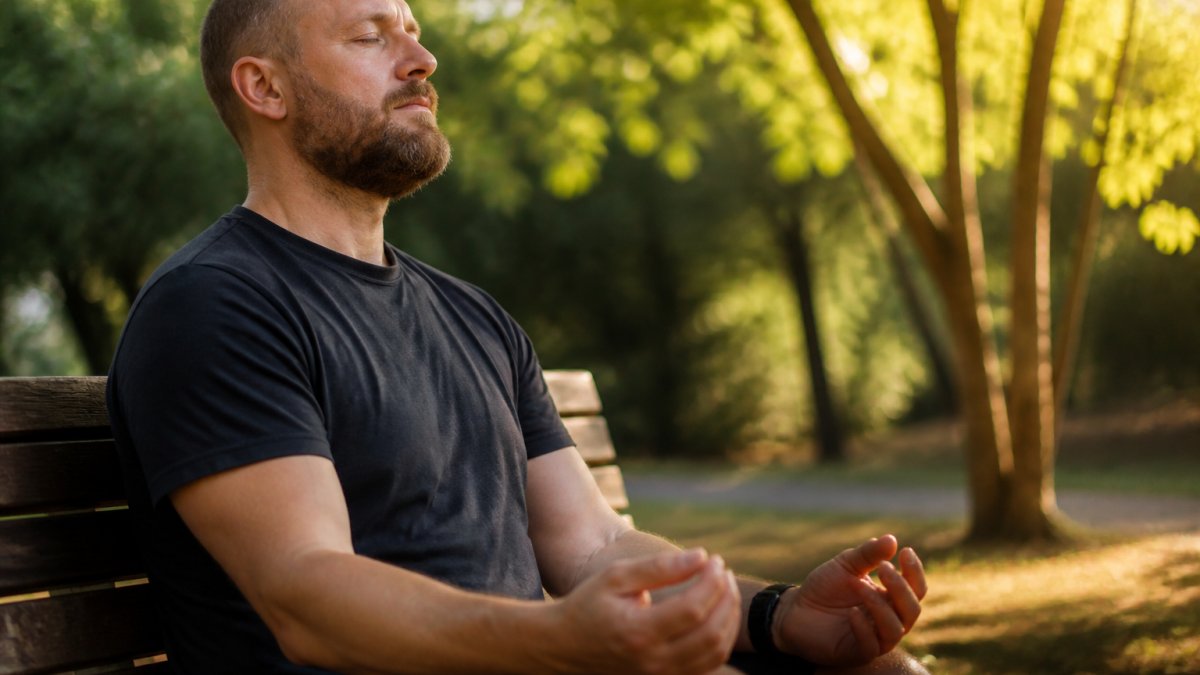
When you practice mindfulness, you're training attention. You notice a thought or sensation without judgment. You watch it arise and pass.
Many combat veterans resist mindfulness initially. "Sitting with my thoughts" sounds like torture when your thoughts are filled with combat memories. But mindfulness isn't about eliminating thoughts.
Meditation and Breathing Exercises
Meditation for PTSD focuses on present-moment awareness. You anchor your attention to your breath or body sensations.
Start small. Five minutes daily is more effective than occasional longer sessions. Consistency matters more than duration.
Breathing exercises work directly on your nervous system. The vagus nerve, which controls your parasympathetic response, responds to slow, deep breathing.
The 4-7-8 technique works well for combat veterans:
- Breathe in for 4 counts
- Hold for 7 counts
- Exhale for 8 counts
- Repeat 4 times
Practice this when you're calm, so your nervous system learns the pattern. Then use it when you feel hyperarousal building.
Trauma-Sensitive Yoga and Movement
Trauma-sensitive yoga differs from standard yoga classes. The instructor emphasizes that you control your body. You're never told to "push into" a pose or "surrender" to the stretch.
Instead, you're invited to explore positions at your own pace. You learn to listen to your body's signals.
Movement in general helps. Walking, swimming, or martial arts all help process trauma stored in the body. The key is that you choose the activity and can stop anytime.
Holistic Treatment for Veterans with PTSD: Combat-Specific Adaptations
Generic PTSD treatment doesn't always account for combat-specific realities. Your nervous system was trained for threat detection. You were rewarded for hypervigilance. You learned to suppress emotions to function under pressure. These adaptations made you effective in combat. They're now obstacles to healing.
Effective holistic treatment acknowledges this. It doesn't pathologize your responses as broken. It recognizes them as adaptive to an extreme environment.
Addressing Hypervigilance and Sleep Disruption
Hypervigilance, constant scanning for threats, is one of the most exhausting PTSD symptoms. Your nervous system never fully relaxes. Sleep becomes difficult because your threat-detection system stays active.
Complementary approaches help by:
- Retraining threat detection through somatic awareness
- Teaching your nervous system to distinguish real threats from false alarms
- Using breathing and meditation to downregulate before bed
Sleep hygiene matters, but it's not enough alone. Your nervous system needs to feel safe before sleep comes naturally.
Many veterans find that combining trauma-focused therapy with somatic work produces the fastest sleep improvements. The therapy processes the memories; somatic work teaches your body that safety is possible.
Managing Emotional Dysregulation and Anger
Combat trains you to suppress emotion. You learn that feelings interfere with performance. You learn to react rather than feel. This works in combat. It creates serious problems in civilian life.
Anger becomes a default response because it's the only emotion that feels acceptable, it's active, not vulnerable. Other emotions feel dangerous.
Holistic approaches address this by:
- Creating safe space to feel emotions without judgment
- Using body-based practices to process emotions held in the nervous system
- Teaching emotional regulation skills that don't require suppression
Mindfulness helps here too. You learn to notice anger arising without immediately acting on it. You develop the capacity to feel angry and still choose your response.
Building Your Personalized Holistic Recovery Plan
Recovery isn't one-size-fits-all. Your plan depends on your specific symptoms, your response to different modalities, and your personal preferences. Here's how to build something that works for you.
Step 1: Start with Professional Assessment
Before beginning any treatment, get a proper assessment from a trauma-informed mental health professional. This determines:
- The severity of your PTSD symptoms
- Whether you have co-occurring conditions (depression, anxiety, substance use)
- Which evidence-based treatments are most appropriate
- Whether any complementary practices need medical clearance
HEALING HUB provides trauma-informed assessment that considers both psychological and biological factors. This comprehensive approach ensures your recovery plan addresses your actual needs, not just surface symptoms.
Step 2: Combine Evidence-Based Therapy with Complementary Practices
Start with one evidence-based therapy, typically TF-CBT or EMDR. Once you're 4-6 weeks into therapy, add complementary practices. This sequencing matters. Your nervous system needs some therapeutic progress before adding intensive body-based work.
A practical combination:
- Trauma-focused therapy twice weekly
- Mindfulness practice daily (10 minutes)
- Somatic or yoga practice once weekly
- Breathing exercises as needed for acute hyperarousal
Adjust based on your response. If mindfulness feels destabilizing early on, skip it temporarily. If somatic work helps dramatically, increase frequency.
Step 3: Track Progress and Adjust Your Approach
Progress isn't linear. Some weeks you'll feel significantly better. Others will feel like regression. This is normal. What matters is the overall trajectory.
Track:
- Sleep quality and duration
- Hypervigilance episodes (frequency and intensity)
- Emotional regulation (can you tolerate difficult feelings without acting impulsively?)
- Relationship functioning
- Engagement in activities you enjoy
Monthly check-ins with your therapist allow for adjustments. If something isn't working after 6-8 weeks, change it.
Step 4: Know When to Seek Urgent Support
Recovery includes difficult moments. If you experience any of these, contact a mental health professional immediately:
- Thoughts of harming yourself or others
- Substance use escalation
- Complete loss of sleep for multiple nights
- Acute dissociation or loss of time
- Inability to function in daily life
These aren't failures. They're signals that your current approach needs adjustment or intensification.
Evaluating Providers and Avoiding Unsupported Claims
Not all practitioners offering trauma treatment are equally qualified. Some make claims that sound scientific but lack evidence. Here's how to evaluate providers.
Red flags:
- Claims of "cure" or guaranteed results
- Resistance to working alongside other providers
- Pressure to use only their services
- Unwillingness to discuss their training or credentials
- Promises that one modality will solve everything
Green flags:
- Clear credentials and trauma-specific training
- Willingness to integrate with other providers
- Honest discussion of what's realistic
- Evidence-based approach with complementary additions
- Regular assessment and adjustment of your treatment plan
Ask providers directly: What's your training in trauma? What does your evidence base show? How do you measure progress? How do you work with other providers?
At HEALING HUB, our team includes licensed therapists with trauma-specific training and experience working with combat veterans. We integrate evidence-based therapy with complementary practices like somatic work and specialized physiological support.
Moving Forward: Sustainable Recovery Through Integration
Holistic recovery from combat PTSD isn't quick. It takes months, often longer. But the integration of evidence-based therapy with complementary practices creates sustainable progress.
Your nervous system learned threat in combat. It can learn safety again. This learning happens through:
- Processing traumatic memories in therapy
- Practicing nervous system regulation through mindfulness and somatic work
- Gradually rebuilding trust in your body
- Reconnecting with meaning and purpose beyond survival
Recovery is possible. Thousands of combat veterans have moved from hypervigilance and emotional shutdown to engagement, resilience, and genuine healing.
The path to recovery from combat PTSD requires both psychological processing and nervous system healing.
At HEALING HUB, we specialize in this integrated approach. Our team combines trauma-informed therapy, EMDR consulting, and specialized physiological support to help veterans achieve sustainable recovery.
| Treatment Type | Best For | Timeline | Integration |
|---|---|---|---|
| Trauma-focused CBT | Processing memories and thought patterns | 12-16 weeks | Foundation therapy |
| EMDR | Rapid emotional processing of memories | 8-12 weeks | Pairs well with somatic work |
| Somatic therapy | Releasing trauma stored in the body | Ongoing | Complements all therapies |
| Mindfulness practice | Nervous system regulation and present-moment awareness | Daily practice | Supports all approaches |
| Trauma-sensitive yoga | Movement-based nervous system healing | 1-2x weekly | Enhances somatic work |
| Breathing exercises | Acute hyperarousal management | As needed | Accessible anytime |
Frequently Asked Questions
What holistic therapies may help with combat-related PTSD?
Combat PTSD responds well to a combination of approaches: trauma-focused therapy like EMDR addresses how the brain processes traumatic memories, while mindfulness and meditation help regulate the nervous system's stress response. Somatic therapy and trauma-sensitive yoga address the body's trauma storage, and complementary practices like breathing exercises build emotional regulation. The most effective path combines evidence-based treatment with these complementary practices tailored to your specific symptoms and triggers. A trauma-informed provider can help you identify which combination works best for your recovery.
Can holistic approaches be used alongside evidence-based PTSD treatment?
Yes, and research supports this integration. Holistic practices complement rather than replace trauma-focused therapy. For example, mindfulness and breathing exercises enhance the benefits of EMDR by strengthening your ability to self-regulate between sessions. Somatic approaches work alongside psychotherapy by addressing how trauma lives in your body. The key is coordinating your care: inform all your providers about every treatment you're using so they can work together strategically. This integrated approach often produces better outcomes than either approach alone.
Are holistic treatments a replacement for evidence-based PTSD therapy?
No. Holistic therapies are most effective when combined with evidence-based treatment like trauma-focused therapy or EMDR, not as a replacement. While mindfulness, meditation, and somatic practices reduce symptoms and build resilience, they do not rewire how your brain processes traumatic memories the way trauma-focused therapy does. Think of evidence-based therapy as addressing the root cause and holistic practices as supporting your nervous system's healing. Veterans who integrate both approaches typically see more sustained improvement than those relying on either alone.
How can veterans find trauma-informed PTSD support that actually understands combat experience?
Look for providers with specific training in combat trauma and military culture, not just general PTSD experience. Ask about their familiarity with military-related triggers like loud noises, crowds, or loss of control. Verify they have credentials in trauma-focused therapy (EMDR, CPT, or PE certification) and ask how they adapt treatment for hypervigilance and emotional dysregulation common in combat veterans. Many VA facilities offer specialized combat trauma programs, and integrative clinics with trauma-informed staff can bridge evidence-based and holistic approaches. Trust your instinct: a good provider will explain their approach clearly and respect your military background.