
 how-to
How Can You Use Physiological Treatments for Nervous System Regulation?
Last Updated: October 26, 2026
Quick Summary
Physiological treatments for nervous system regulation work by helping your body recognize safety again, teaching your autonomic nervous system to shift from constant alert to genuine rest. These treatments include breathing exercises, grounding techniques, rhythmic movement, somatic therapy, and microcurrent stimulation like Alpha-Stim therapy.
- Diaphragmatic breathing and box breathing activate your vagus nerve within minutes to calm your parasympathetic nervous system.
- The 5-4-3-2-1 grounding technique uses your five senses to anchor you to the present moment and interrupt anxiety cycles.
- Nervous system regulation requires 3-4 weeks of consistent daily practice, with five minutes daily proving more effective than longer weekly sessions.
- Somatic therapy releases tension stored in your muscles and tissues from past stress or trauma with professional guidance.
- Alpha-Stim therapy uses microcurrent stimulation to promote alpha brain wave activity and reduce anxiety within 20-30 minutes of use.
Table of Contents
- Understanding Nervous System Dysregulation and Stress Response
- What You'll Need Before Starting Physiological Treatments for Nervous System Regulation
- Step 1: Master Breathing Exercises for Nervous System Regulation
- Step 2: Incorporate Nervous System Regulation Exercises into Daily Practice
- Step 3: Explore Somatic Therapy for Nervous System Regulation
- Step 4: Consider Alpha-Stim Therapy for Anxiety and Dysregulation
- Common Mistakes to Avoid When Regulating Your Nervous System
- Building Your Personalized Nervous System Regulation Plan
- Frequently Asked Questions
Understanding Nervous System Dysregulation and Stress Response
When your nervous system stays stuck in fight-or-flight mode, even after a threat has passed, you're experiencing dysregulation.
Physiological treatments for nervous system regulation work by helping your body recognize safety again.
The stress response itself isn't the problem. Your nervous system is designed to activate when you face real danger.
According to a 2024 theoretical exploration of polyvagal theory in creative arts therapies, creative approaches may support autonomic nervous system regulation and strengthen resilience.
What You'll Need Before Starting Physiological Treatments for Nervous System Regulation
Before you begin, gather these essentials:
- A quiet space where you won't be interrupted for 10-15 minutes
- Comfortable clothing that doesn't restrict your breathing
- A chair or cushion for sitting or lying down
- A willingness to notice what your body is telling you
- Realistic expectations about timeline (nervous system change takes weeks, not days)
You don't need expensive equipment or special training. Your body has everything required to regulate itself. What you need is consistency and the right technique for your specific situation.
If you're working with a therapist or clinician, bring your observations to sessions. Track which techniques calm you fastest. Notice which ones feel uncomfortable, that information matters.
Step 1: Master Breathing Exercises for Nervous System Regulation
Breathing is the fastest way to shift your nervous system state. Unlike your heart rate or digestion, you can control your breathing consciously. This makes it your most accessible tool for immediate regulation.
When you're dysregulated, your breathing becomes shallow and rapid. Your chest rises and falls in quick, small movements. Reversing this pattern signals safety to your brain.
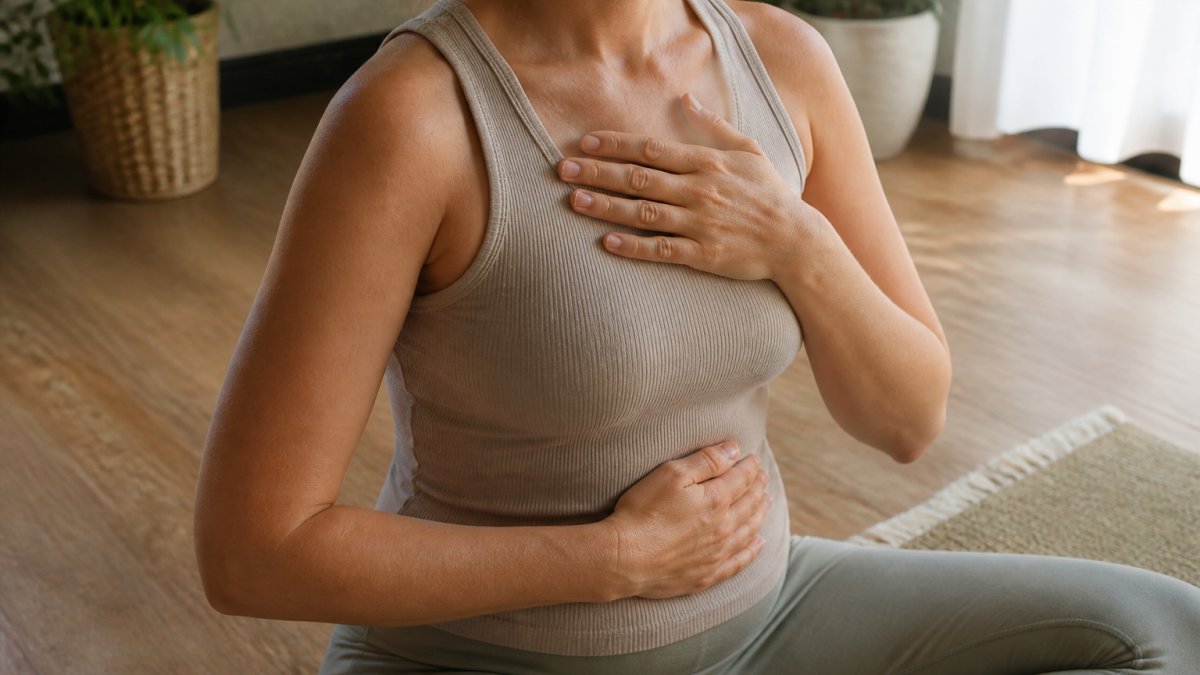
Diaphragmatic Breathing Technique
Diaphragmatic breathing is breathing that uses your diaphragm, the muscle beneath your lungs, rather than your chest muscles.
Here's how to practice it:
- Sit upright or lie on your back with your knees bent
- Place one hand on your chest, one on your belly
- Breathe in slowly through your nose for a count of 4
- Feel your belly expand (not your chest)
- Hold for a count of 4
- Exhale slowly through your mouth for a count of 4
- Repeat 5-10 times
The belly hand should move more than the chest hand. If your chest hand moves first, you're still using shallow breathing.
Do this once daily, ideally at the same time. Morning works well because it primes your nervous system for the day ahead.
Box Breathing for Immediate Calming
When you need faster relief, during anxiety spikes or panic moments, box breathing works within 2-3 minutes.
The technique is simple:
- Inhale for a count of 4
- Hold for a count of 4
- Exhale for a count of 4
- Hold for a count of 4
- Repeat 4-5 times
The equal counts create a rhythm your nervous system recognizes as safe. The hold periods extend your exhale effect, which is what actually calms your parasympathetic system.
Many people find this more effective than longer breathing exercises when they're already activated. Use it before meetings, before sleep, or whenever anxiety spikes.
Step 2: Incorporate Nervous System Regulation Exercises into Daily Practice
Breathing alone isn't enough for most people with chronic dysregulation. You need to build body awareness and teach your nervous system that safety is possible in movement, not just stillness.
These exercises take 10-15 minutes daily. The consistency matters more than the duration. A 5-minute daily practice beats a 30-minute weekly one.
Grounding and Sensory Awareness
Grounding techniques interrupt the stress cycle by anchoring you to the present moment. When your nervous system is dysregulated, your mind often lives in threat scenarios.
The 5-4-3-2-1 technique uses your senses:
- Name 5 things you see (colors, textures, shapes)
- Name 4 things you can touch (the texture of your shirt, the chair beneath you)
- Name 3 things you hear (background sounds, distant noises)
- Name 2 things you smell (coffee, air freshener, or just the air itself)
- Name 1 thing you taste (gum, water, or the inside of your mouth)
This takes 3-5 minutes and works because it forces your attention into sensory data. Your threat-detection system can't run future scenarios when you're focused on present sensations.
Do this when you notice anxiety building, before it escalates to panic.
Rhythmic Movement and Mindful Motion
Your nervous system responds to rhythm. Walking, swaying, or gentle rocking all activate the parasympathetic system when done with intention.
Rhythmic walking is simple:
- Walk at a comfortable pace for 10-15 minutes
- Focus on the rhythm of your footsteps
- Match your breathing to your steps (4 steps in, 4 steps out)
- Notice the ground beneath your feet
The combination of repetitive movement, breathing coordination, and sensory focus creates a powerful regulation effect. Many people find this more sustainable than sitting exercises because it fits into daily life.
Other rhythmic practices include gentle yoga, tai chi, or even swaying while standing. The key is consistency and attention.
Step 3: Explore Somatic Therapy for Nervous System Regulation
Somatic therapy works with your body's stored stress patterns.
Somatic therapy for nervous system regulation involves becoming aware of these patterns and releasing them through body-based work.
A somatic practitioner guides you to notice where you hold tension, what emotions live in that tension, and how to safely release it. This might involve:
- Shaking or tremoring (letting your body vibrate to release held tension)
- Progressive muscle relaxation (tensing and releasing muscle groups)
- Guided body scans (moving attention through your body systematically)
- Conscious breathing paired with movement
The goal isn't to "fix" your body. It's to help your nervous system recognize that the threat has passed.
This work often requires professional guidance because releasing stored trauma can temporarily intensify emotions.
Step 4: Consider Alpha-Stim Therapy for Anxiety and Dysregulation
Alpha-Stim therapy uses microcurrent stimulation, a very small electrical current applied to specific points on your body, to influence your brain's electrical activity.
Unlike medications, Alpha-Stim doesn't introduce chemicals into your system. It works with your nervous system's own electrical language.
For anxiety and dysregulation specifically, Alpha-Stim can:
- Reduce racing thoughts within 20-30 minutes of use
- Improve sleep quality with regular sessions
- Lower baseline anxiety levels over weeks
- Work alongside other treatments without interaction
The treatment is non-invasive. You wear ear clips that deliver the microcurrent for 20 minutes. Most people feel calmer during and after sessions.
To understand how Alpha-Stim works in detail, read our practical guide on how Alpha-Stim therapy works. If you're considering whether it's right for your situation, explore the complete benefits of Alpha-Stim therapy.
The physiological treatment addresses your nervous system directly while the other techniques build your capacity to self-regulate.
Common Mistakes to Avoid When Regulating Your Nervous System
Expecting overnight results. Your nervous system spent months or years learning to stay dysregulated.
Using techniques while still in threat mode. If you're in active panic, breathing exercises might not work.
Skipping consistency for intensity. Five minutes daily beats thirty minutes once weekly. Your nervous system learns through repetition. Missing days resets your progress.
Ignoring what your body tells you. If a technique makes you more anxious, stop.
Watch out: if you have a history of dissociation, some body-awareness exercises can intensify that symptom.
Building Your Personalized Nervous System Regulation Plan
A plan that works is one you'll actually follow.
Start by identifying your primary dysregulation trigger. Is it:
- Work stress and deadline pressure?
- Relationship conflict or social anxiety?
- Sleep deprivation?
- Trauma reminders?
- Physical pain?
- Sensory overload?
Your trigger determines which techniques you should prioritize.
Next, choose ONE primary technique and commit to it for 3 weeks. Don't rotate between methods. Your nervous system needs consistency to learn the new pattern.
Here's a simple structure:
| Time of Day | Technique | Duration | Frequency |
|---|---|---|---|
| Morning | Diaphragmatic breathing | 5 minutes | Daily |
| Midday | Grounding (5-4-3-2-1) | 3 minutes | As needed |
| Evening | Rhythmic walking or movement | 10 minutes | Daily |
| Before bed | Box breathing | 5 minutes | Daily |
After 3 weeks, assess what's working. Keep practices that shift your state. Replace ones that don't.
If you're not seeing progress after a month, consider adding Alpha-Stim or scheduling a somatic therapy session.
Book an Alpha-Stim session when you're ready to add physiological treatment to your plan. View all services available to see which approaches align with your goals. Contact our team to discuss your specific situation and get personalized recommendations.
The Global Wellness Summit identifies neurowellness as one of the major wellness trends of 2026, reflecting growing recognition that nervous system health is foundational to overall well-being.
Your nervous system can learn safety again. It can shift from constant alert to genuine rest.
The University of California San Diego questions what practices commonly described as nervous system regulation actually do and advocates for understanding the science behind techniques rather than treating them as magic.
Frequently Asked Questions
How long does it take to regulate your nervous system using physiological treatments?
Timeline varies based on your baseline stress level, consistency of practice, and the specific techniques you use. Breathing exercises can produce calming effects within minutes, while somatic therapy and body-based practices typically show noticeable shifts in emotional regulation over weeks to months of regular practice. Some individuals notice changes in sleep quality and anxiety levels within 2-3 weeks of daily practice. More significant shifts in resilience and stress response patterns often emerge over 8-12 weeks. Working with a qualified professional accelerates progress by personalizing your approach to your nervous system's unique needs.
What are some ways to regulate the nervous system when you're in acute stress?
In moments of acute stress, physiological treatments activate your rest-and-digest response quickly. Box breathing (4-count inhale, hold, exhale, hold) calms your nervous system within 2-3 minutes. Cold water exposure, such as splashing cold water on your face or holding ice briefly, triggers the vagal response and interrupts the fight-or-flight cycle. Grounding techniques like the 5-4-3-2-1 sensory method (naming five things you see, four you feel, three you hear, two you smell, one you taste) redirect attention and restore safety cues to your body. Humming or gentle vocal toning stimulates the vagus nerve. These emergency tools work best when practiced regularly so your nervous system recognizes them as safety signals.
When should I seek professional help for nervous system symptoms instead of self-help techniques?
Seek professional support if you experience persistent anxiety, insomnia, or emotional dysregulation that self-help techniques don't resolve within 4-6 weeks of consistent daily practice. If you have a history of trauma, combat exposure, or significant life stress, trauma-informed care accelerates healing beyond what self-directed breathing and movement alone can achieve. A qualified mental health professional can assess whether your symptoms reflect nervous system dysregulation, an underlying condition requiring treatment, or both. Integrative clinics specializing in physiological treatments, somatic therapy, and evidence-based modalities like EMDR can combine multiple approaches tailored to your specific needs. This is especially important if anxiety or dysregulation interferes with work, relationships, or daily functioning.
Is Alpha-Stim therapy for anxiety backed by scientific evidence?
Alpha-Stim therapy uses microcurrent electrical stimulation to influence brain wave activity and autonomic nervous system function. The device is FDA-cleared for anxiety and insomnia, meaning it has met regulatory standards for safety and effectiveness. Research on neurofeedback and vagal stimulation supports the neurophysiological rationale: stimulating specific neural pathways can shift your nervous system from a stress state toward calm and emotional regulation. However, Alpha-Stim works best as part of a broader nervous system regulation plan that includes breathing exercises, somatic practices, and lifestyle support. Results vary by individual; some notice anxiety reduction within days, while others benefit more from combining it with therapy or other physiological treatments. A qualified clinician can determine whether Alpha-Stim aligns with your specific anxiety profile and goals.